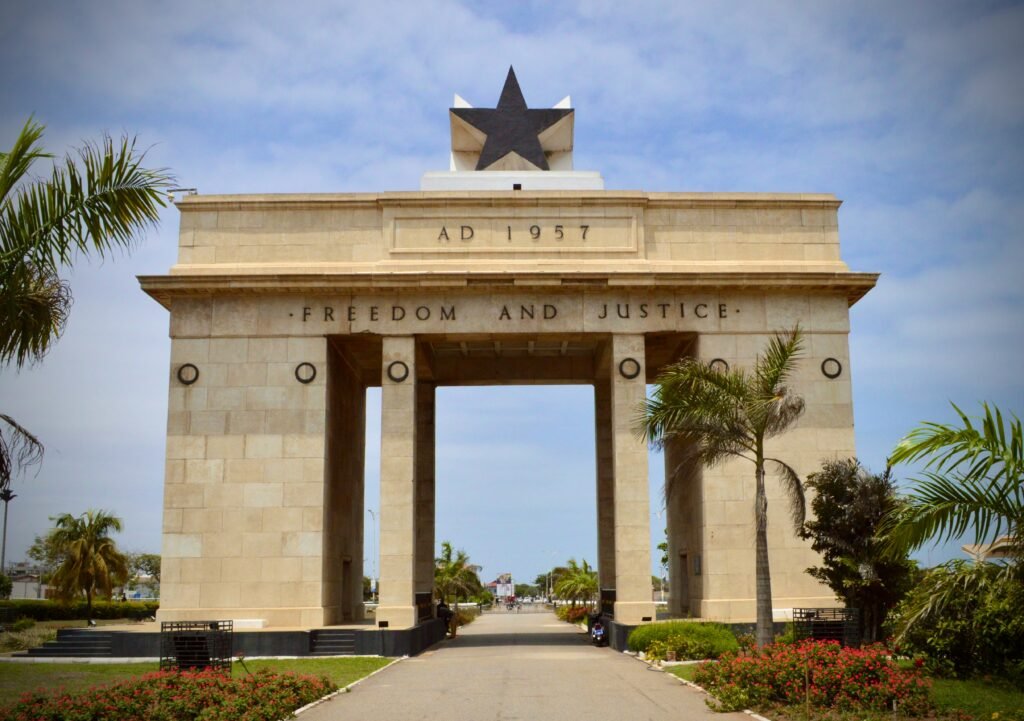
In 2019, the Republic of Ghana launched one of the most significant cultural and historical initiatives in modern African history — the Year of Return. Marking 400 years since the arrival of the first documented enslaved Africans in Jamestown, Virginia in 1619, the initiative invited Africans in the diaspora to reconnect with the continent through Ghana.
The campaign was more than tourism. It was a symbolic, political, cultural, and economic movement that positioned Ghana as a gateway for reconnection, remembrance, and healing.
Historical Significance
For centuries, millions of Africans were forcibly removed from the continent through the transatlantic slave trade. Along the coast of Ghana remain solemn reminders of this history, including the Cape Coast Castle and Elmina Castle, where enslaved Africans were held before being transported across the Atlantic.
The Year of Return sought to transform these painful historical spaces into sites of reflection, education, healing, and reconnection. Ghana extended an open invitation to descendants of the African diaspora to “return home,” not only physically, but emotionally and spiritually.
A Cultural and Global Movement
The initiative gained worldwide attention and attracted thousands of visitors from the United States, the Caribbean, Europe, and other parts of the African diaspora. Celebrities, scholars, entrepreneurs, activists, and tourists traveled to Ghana to participate in festivals, heritage tours, business summits, concerts, and commemorative ceremonies.
Notable events included:
- Visits to historical slave forts and castles
- Cultural festivals and traditional ceremonies
- Pan-African conferences and business forums
- Music and arts celebrations
- Citizenship and residency initiatives for members of the diaspora
The movement significantly strengthened Ghana’s image as a center for Pan-Africanism and Black cultural identity.
Economic Impact on Ghana
The Year of Return also produced substantial economic benefits. Ghana experienced increased tourism revenues, higher hotel occupancy rates, growth in the hospitality sector, and expanded international visibility. Local businesses, artisans, transport operators, restaurants, and creatives benefited from the influx of visitors.
Beyond tourism, the initiative encouraged investment conversations between Ghana and members of the African diaspora. Many visitors explored opportunities in real estate, education, technology, entrepreneurship, and cultural enterprises.
The success of the campaign eventually led to the continuation of the initiative through the “Beyond the Return” agenda, a long-term strategy focused on sustaining diaspora engagement and African unity.
Pan-Africanism and Identity
At its core, the Year of Return revived conversations around identity, belonging, and historical justice. It reinforced the ideals of Pan-African leaders such as Kwame Nkrumah, who envisioned Africa as a united and self-determined continent.
For many in the diaspora, visiting Ghana represented an emotional journey of rediscovery. For Ghanaians, it became an opportunity to strengthen cultural diplomacy and showcase the nation’s hospitality, heritage, and leadership within Africa.
The initiative demonstrated how history can be transformed into a bridge for reconciliation and future collaboration.
Challenges and Criticisms
Despite its success, the Year of Return was not without criticism. Some observers argued that parts of the initiative became overly commercialized, benefiting elite tourism more than ordinary citizens. Others questioned whether symbolic reconnection alone was enough to address broader issues facing African communities globally.
There were also concerns regarding infrastructure pressures, rising costs in tourist areas, and the need for more sustainable long-term engagement with the diaspora.
Nevertheless, most analysts agree that the initiative succeeded in placing Ghana at the center of global conversations on African heritage and diaspora relations.
Conclusion
Ghana’s Year of Return was a landmark moment in modern African cultural diplomacy. It transformed historical memory into a platform for reconnection, tourism, investment, and Pan-African solidarity.
More importantly, it reminded the world that the relationship between Africa and its diaspora is not merely historical — it is ongoing, evolving, and deeply significant. Through the Year of Return, Ghana positioned itself not only as a destination, but as a symbolic home for millions of people seeking connection with their ancestral roots.
As the momentum continues through the Beyond the Return agenda, Ghana remains a leading voice in shaping a future where heritage, identity, and global African unity are celebrated together.